This Washington lake didn’t exist before 1980, and a short boardwalk trail explains exactly how
Most lakes in Washington took thousands of years to fill in. Coldwater Lake took about eight months — and a volcano did the digging, not glaciers or rain.
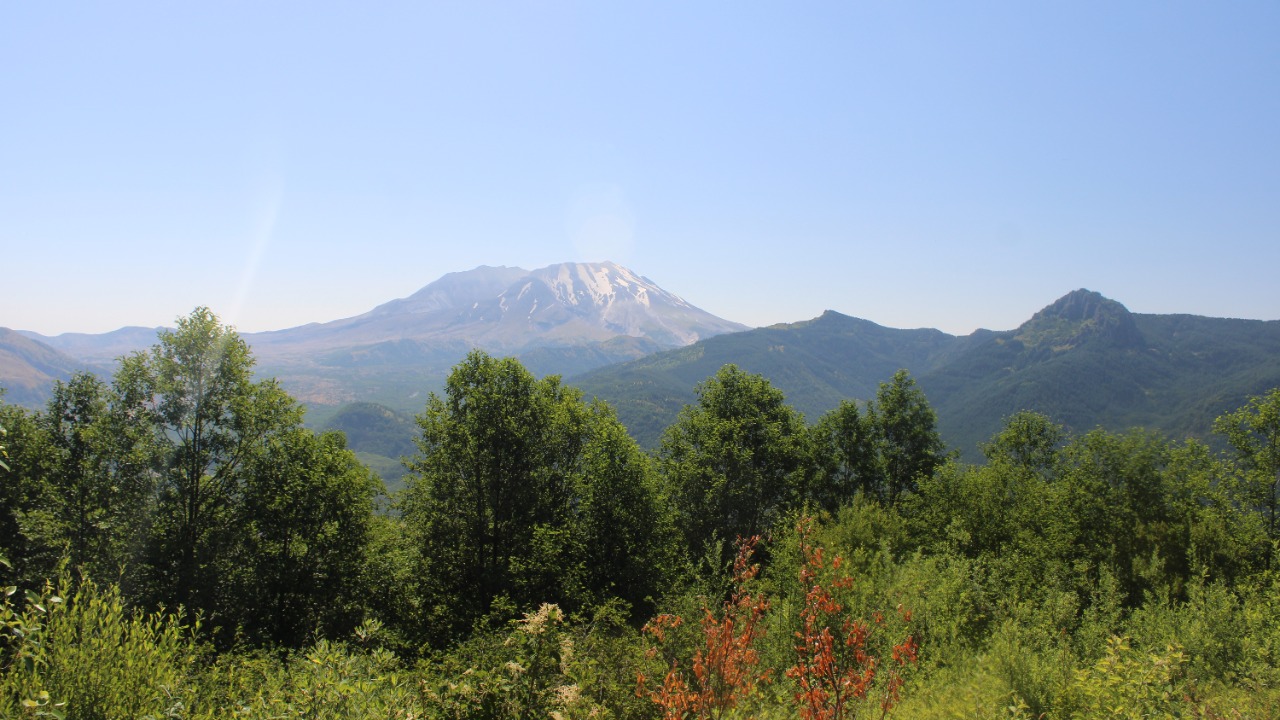
On May 18, 1980, Mount St. Helens erupted and sent the largest landslide ever recorded in history roaring down its north flank. The debris avalanche crashed into Coldwater Creek and buried the valley in volcanic debris up to 180 feet deep, damming the creek so completely the water had nowhere left to go but up.
By the time it stopped rising, almost 100,000 acre-feet of water had backed up behind that new wall of debris, forming a lake five miles long where there hadn’t been one the day before. How many lakes in this state can say a volcano built them in under a year?
—
Psst — we made you a West Coast Adventure Map. Nearly 1,900 of our favorite spots, already pinned, ready to load into Google Maps in two clicks — grab it here.
—
That dam wasn’t built to last, though — it was loose volcanic debris, not bedrock. The Army Corps of Engineers had to carve a spillway in 1981 just to keep the whole thing from blowing out and flooding everything downstream, and the lake’s held steady ever since at 2,503 feet above sea level, spread across roughly 773 acres inside Mount St. Helens National Volcanic Monument.
A short boardwalk explains exactly how it happened
The Birth of a Lake Trail does exactly what the name promises. It’s a 1.2-mile round-trip boardwalk from the Coldwater Lake Recreation Area at the lake’s south end, flat the entire way and wheelchair and stroller accessible, with interpretive signs laying out how the eruption built the lake sitting right beside you.
This is one of the easier walks you’ll find anywhere in the monument, and that’s exactly the point — you don’t need a full day or trekking poles to stand in front of one of the more dramatic pieces of the mountain’s story. Keep an eye out for chewed-up trees along the boardwalk; beavers moved into this valley decades before most of the surrounding forest grew back.
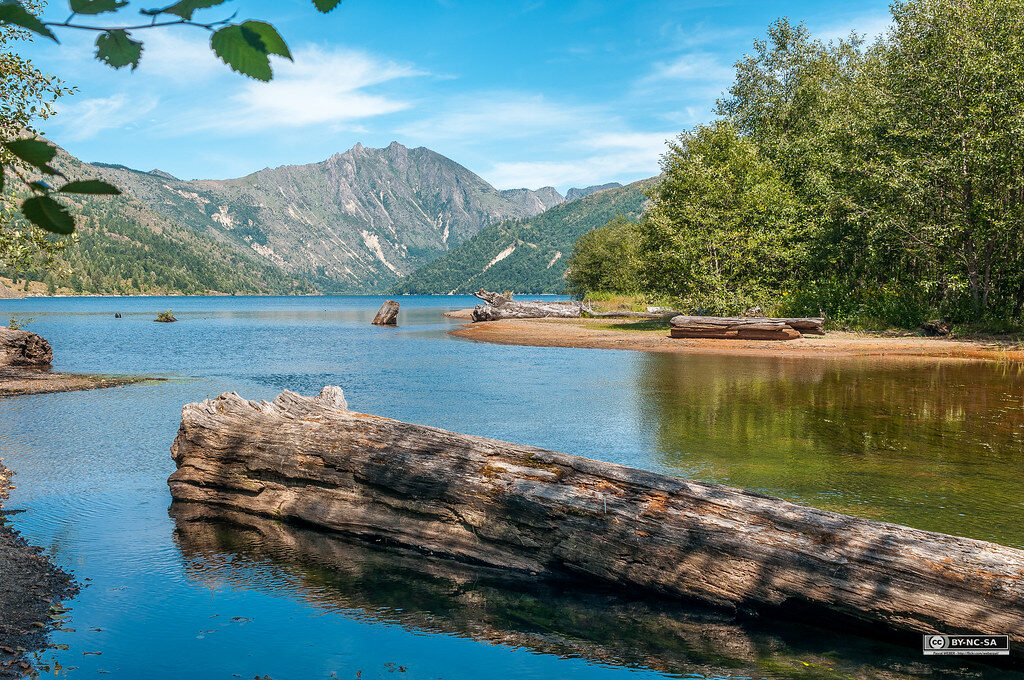
The recreation area has picnic tables and a boat launch, though gas motors are banned on the water. Kayaks, canoes, and paddleboards are the norm here, with electric motors allowed for anglers — which makes for a quieter lake than most of Washington gets to be in July and August.
Coldwater still holds trout, but the fishery is tightly managed: one fish a day, minimum 18 inches. Don’t plan your dinner around it — plan your afternoon around the water instead.
Getting there means driving Highway 504 east from Castle Rock for about 43 miles, then turning off toward the lake before the road climbs toward Johnston Ridge. The upper stretch of 504 has been closed since a 2023 landslide destroyed a bridge near Spirit Lake, but Coldwater Lake’s turnoff sits well before that closure and remains open right now.
Want to make it a bigger day? Ape Cave’s 2.5-mile lava tube sits on the mountain’s south side — a brand-new lake and a lava tube carved thousands of years ago, same volcano, two completely different stories.
This is Gifford Pinchot National Forest land, so day use runs $5 per vehicle, or $30 for an annual pass — a Northwest Forest Pass covers it too.
Trip tips: grab a rental car for the drive out from Portland or Seattle, or lock in a hotel nearby if you’re turning it into a weekend at the mountain.
Rules and fees change — always confirm current requirements before you go.