
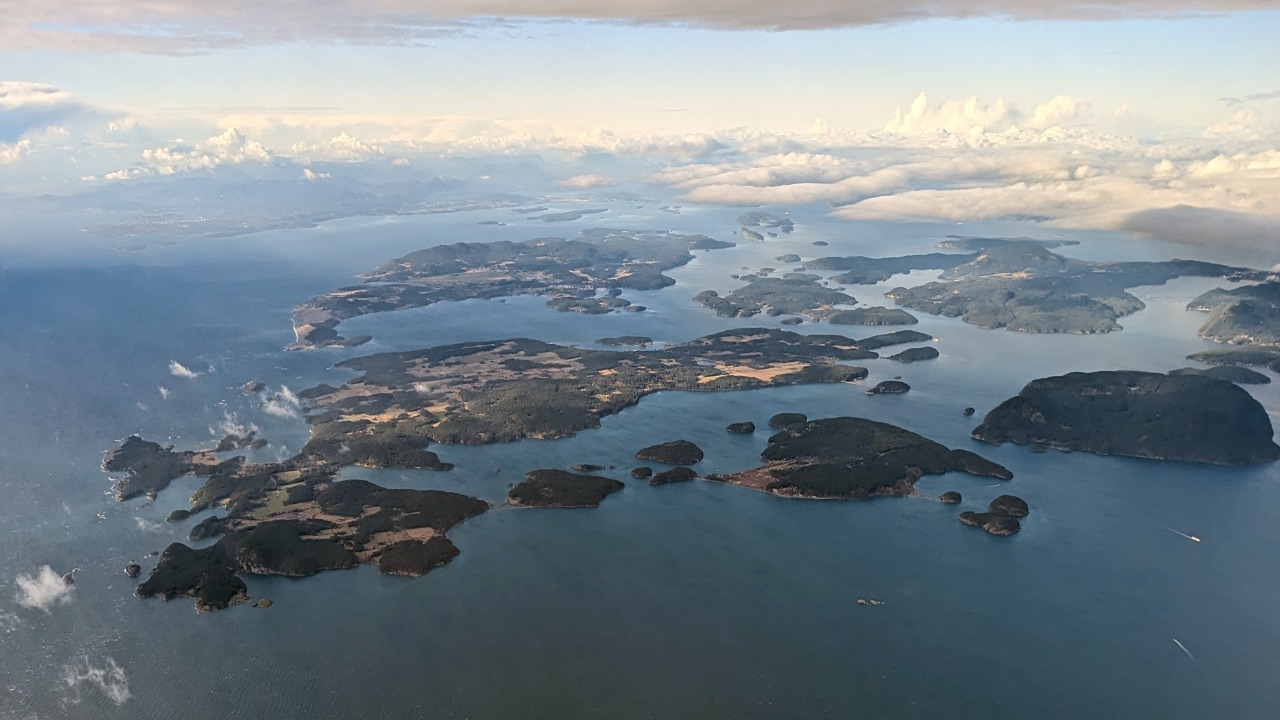
You don’t need a whale-watching boat for the San Juan Islands’ best view
Everyone books the whale-watching boat. Here’s the thing: one of the best orca-viewing spots on the planet doesn’t require a boat, a wetsuit, or a reservation — just a rocky bluff on the west side of San Juan Island. The San Juan Islands reward people who slow down, and this stretch of Washington coastline proves it better than almost anywhere else in the state.
Getting there is half the adventure
You reach the San Juans by Washington State Ferries out of Anacortes, about 90 minutes north of Seattle. The ride itself is part of the draw — you’ll wind through a maze of forested islands, past lighthouses and the occasional bald eagle overhead, before you even dock.
Summer sailings fill up, so book ahead if you’re bringing a car. Friday Harbor, on San Juan Island, is your hub for hotels, restaurants, and the ferry dock itself.
📍 GET THE ULTIMATE PNW MAP 🗺️
Get our curated list of the best adventures, things to do, and places to grab a brew loaded onto your maps with just two clicks!
✅ Waterfalls ✅ Hikes ✅ Viewpoints
✅ Craft breweries ✅ National Parks ✅ 1400+ Pins


Lime Kiln Point: the whale-watching park that doesn’t need a boat
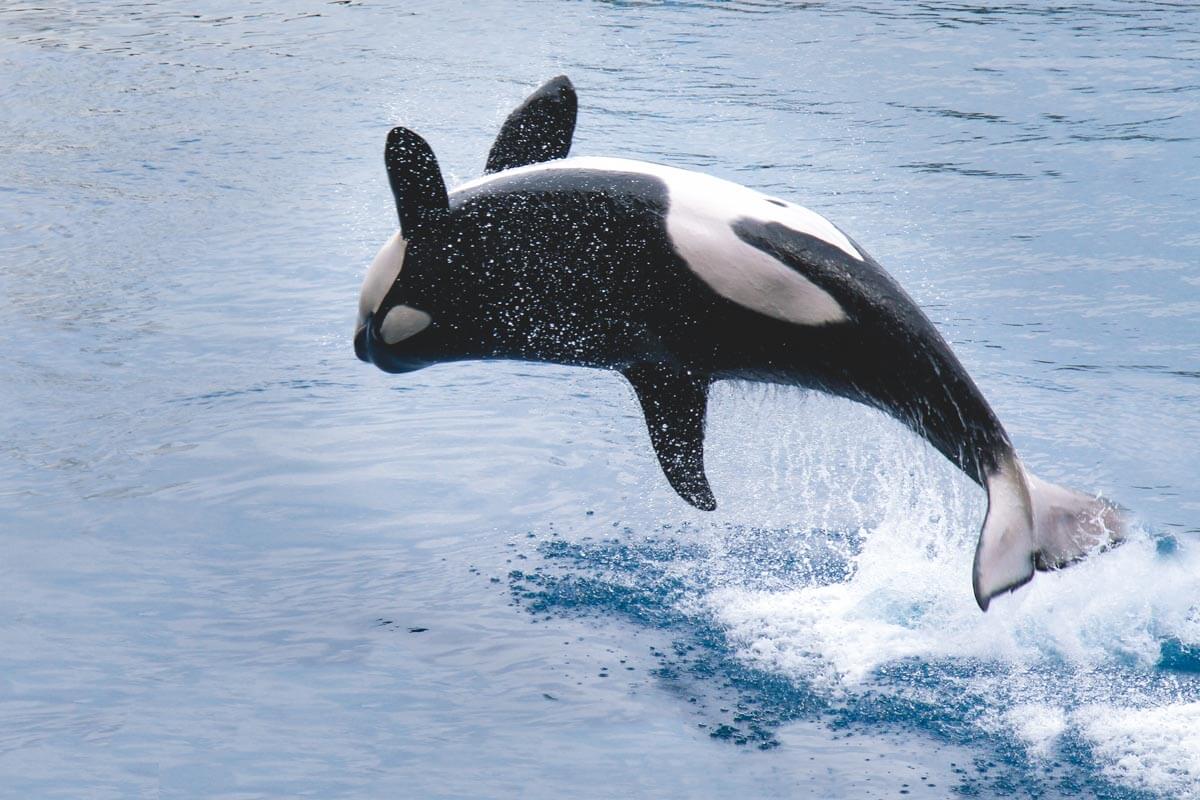
On the western shore of San Juan Island, Lime Kiln Point sits on a rocky bluff over Haro Strait, where deep water brings whales close enough to shore that the park has earned the nickname “Whale Watch Park.” Southern Resident orcas pass by most reliably from May through September, with June and July as the strongest months, while Bigg’s (transient) orcas show up in these waters year-round.
Bring a folding chair, get low on the rocks, and wait. There’s even a hydrophone near the old lighthouse so you can listen for the whales’ calls before you spot a dorsal fin.
Walk or bike in and you won’t need anything extra. Drive in and you’ll need a Washington Discover Pass ($10 for the day, $45 for the year) on your dash.
Climb Mount Constitution for the payoff
Over on Orcas Island, Mount Constitution is the highest point in the San Juans at 2,409 feet, with a 1930s stone observation tower planted right at the summit. On a clear day you can pick out the Cascades, the Olympics, and Vancouver Island all at once — and on the best days, Mount Baker and Mount Rainier too.
The summit is windy and a little chilly even in July, but the view is the kind that makes you stop mid-sentence. The road inside Moran State Park runs most of the way to the top, so you don’t have to hike to earn it, though several trails climb it too if that’s more your speed. Same Discover Pass rules apply if you’re driving in.
Then slow all the way down on Lopez Island
If San Juan Island is the whale-watching stop and Orcas Island is the view, Lopez Island is where you stop trying to see everything. It’s the flattest of the three main islands, with roughly 30 miles of quiet, rolling roads that pass farm stands, beaches, and drivers who actually wave.
Rent a bike near the ferry landing and spend an afternoon pedaling instead of driving. Between roadside honesty-box produce stands and beaches worth pulling over for, the whole island moves at the speed of a Sunday afternoon.
It’s the best argument for treating the San Juans as a multi-day trip instead of a single day trip. Three islands, three different paces — which one are you starting with?
Trip tips: grab a rental car for the drive up to the Anacortes ferry terminal, and lock in your hotel early — San Juan Island rooms disappear fast every summer.
Rules and fees change — always confirm current requirements before you go.

The sound is the best place to be, in my experience, that is not in Alaska. I lived off and on at Rosario Beach for my early years, until my grandmother sold her home and property (on the north boundary of the state park) after she retired as a teacher in Marysville and moved south. As a young lad, I was familiar with every driftwood log on the beach and the woods east of the park at Rosario, too, and knew the permanent residents of Rosario Beach. My mother and I sailed to Alaska in 1953 on the SS Princess Louise. I retired in 2020.