You can’t drive to this Washington park, and the first dinosaur fossil ever found in the state turned up on its beach
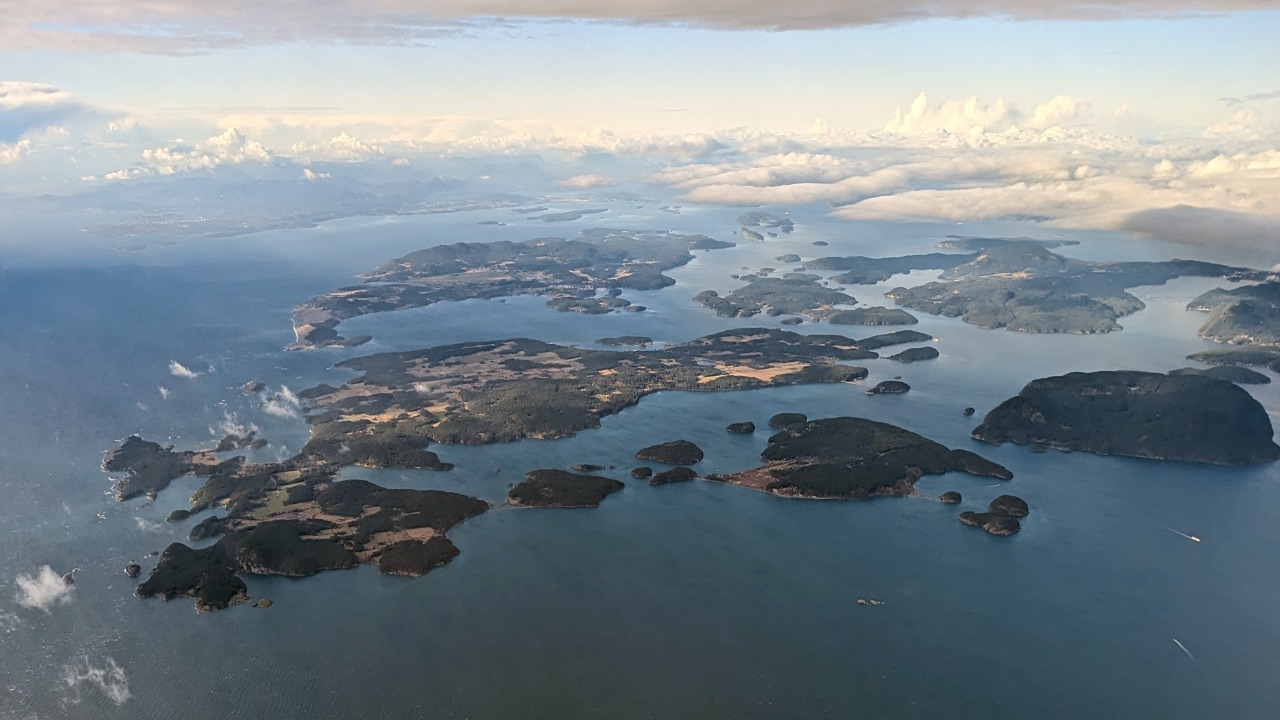
There’s a Washington state park you can only reach by boat, with no bridge, no car ferry, and not a single road on the whole island. Sucia Island sits alone in the San Juan Islands, and reaching it takes a boat of your own, a charter, or a water taxi. But the real reason to know its name goes back to April 2012, when its shoreline gave Washington its first dinosaur fossil.
Psst — we made you a West Coast Adventure Map. Nearly 1,900 of our favorite spots, already pinned, ready to load into Google Maps in two clicks — grab it here.
Getting there is half the adventure
No roads connect Sucia to anywhere, so private boaters make the run from Bellingham, Anacortes, or nearby Orcas Island, just 2.5 miles south. If you don’t own a boat, a water taxi or charter out of the San Juans is the standard way in — plan on committing a full day between arriving and leaving.
📍 GET THE ULTIMATE PNW MAP 🗺️
Get our curated list of the best adventures, things to do, and places to grab a brew loaded onto your maps with just two clicks!
✅ Waterfalls ✅ Hikes ✅ Viewpoints
✅ Craft breweries ✅ National Parks ✅ 1400+ Pins


Six coves, and each one has a personality
Shallow Bay sits on the island’s west side with a sandy beach and enough room for 40 to 50 small boats at anchor. Fossil Bay on the east side is the busiest stop, since it’s the only spot with docks instead of just buoys.
Echo Bay is the largest anchorage on the island but also the most exposed to southeast winds, while Ewing Cove tucks into the northeast corner at the end of a 2.1-mile trail through the interior. Fox Cove and Snoring Bay round out the six, and together the coves hold 48 mooring buoys and two linear moorage systems.
60 campsites and not much else
Sucia has 60 primitive, first-come-first-served campsites and four reservable group camps — no camp store, no cabins, and no guaranteed cell service. A mooring buoy runs $23 a night and dock space costs $1 per foot, though anchoring on your own hook doesn’t cost anything.
Potable water only runs from early April through September, and there’s no garbage service on the island, so plan to pack out everything you bring in.
The dinosaur bone that put Sucia on the map
In April 2012, two Burke Museum research associates were on Sucia collecting fossil ammonites under a state permit when they found something much bigger — a partial thigh bone from a theropod dinosaur, roughly 80 million years old. It turned out to be the first dinosaur fossil ever confirmed in Washington state.
Burke Museum paleontologists nicknamed it Suciasaurus rex, and their 2015 paper proposed it belonged to the tyrannosaur family — a distant cousin of T. rex itself. Fossil collecting is strictly prohibited on the island today, so admire the fossil-bearing rock on the southeast arm without touching it.
What else there is to do
Trails wind through second-growth forest and along sandstone bluffs folded into odd shapes by centuries of wave action. Kayaking, tide pooling, crabbing, and scuba diving round out the list, and birdwatchers come for everything from bald eagles to oystercatchers.
Sucia doesn’t get the spotlight that Mount Rainier or the San Juans’ whale-watching boats do, but it still earns a mention on rundowns of the best things to do in Washington state — good company for an island most people have never heard of.
Six coves, 60 campsites, and a dinosaur bone few states can claim — that’s a lot of story packed into 558 acres. Which cove would you drop anchor in first?
Trip tips: grab a rental car to get out here, lock in your hotel before the good rooms are gone, or skip both and book a camper van instead.
Rules and fees change — always confirm current requirements before you go.