Washington’s most famous huckleberry patch won’t let you keep a single berry
Everyone sends you to the same place for Washington huckleberries: the Sawtooth Berry Fields, deep in Indian Heaven Wilderness. Here’s the part nobody mentions — you can eat all you want standing right there, but you can’t legally carry a single berry out.
Wilderness areas are closed to harvest removal, and Sawtooth sits inside one. Good news: the season is just getting going, and there’s a real, permit-legal way to fill a bucket a short drive away.
Psst — we made you a West Coast Adventure Map. Nearly 1,900 of our favorite spots, already pinned, ready to load into Google Maps in two clicks — grab it here.
Why the internet’s favorite berry patch isn’t your pick-your-own spot
Indian Heaven Wilderness, in the Gifford Pinchot National Forest between Mount Adams and Mount St. Helens, is legally closed to all berry harvest — like every other designated Wilderness on the forest. You’re allowed to pick and eat while you’re standing in it. You’re not allowed to walk out with any.
There’s history behind the patch, too. In 1932, Yakama Chief William Yallup and Forest Supervisor K.P. Cecil sealed a handshake agreement reserving part of the Sawtooth Berry Fields for tribal harvest — ground Indigenous peoples of the region have gathered on for far longer than the forest has had a name. Watch for the signs marking those areas and stay out of them, permit or not.
📍 GET THE ULTIMATE PNW MAP 🗺️
Get our curated list of the best adventures, things to do, and places to grab a brew loaded onto your maps with just two clicks!
✅ Waterfalls ✅ Hikes ✅ Viewpoints
✅ Craft breweries ✅ National Parks ✅ 1400+ Pins


The permit that actually lets you keep what you pick
Everyone who harvests huckleberries on Gifford Pinchot National Forest needs a permit, full stop. The free-use version covers personal consumption — up to one gallon a day, three gallons for the season — and you print it straight from the Forest Service’s online permit system before you go.
There’s no cost for the free-use permit, and the forest isn’t authorizing any commercial harvest permits in 2026 at all. Rakes and other brush-disturbing tools are banned everywhere on the forest — hands only.
Where you can actually fill a bucket
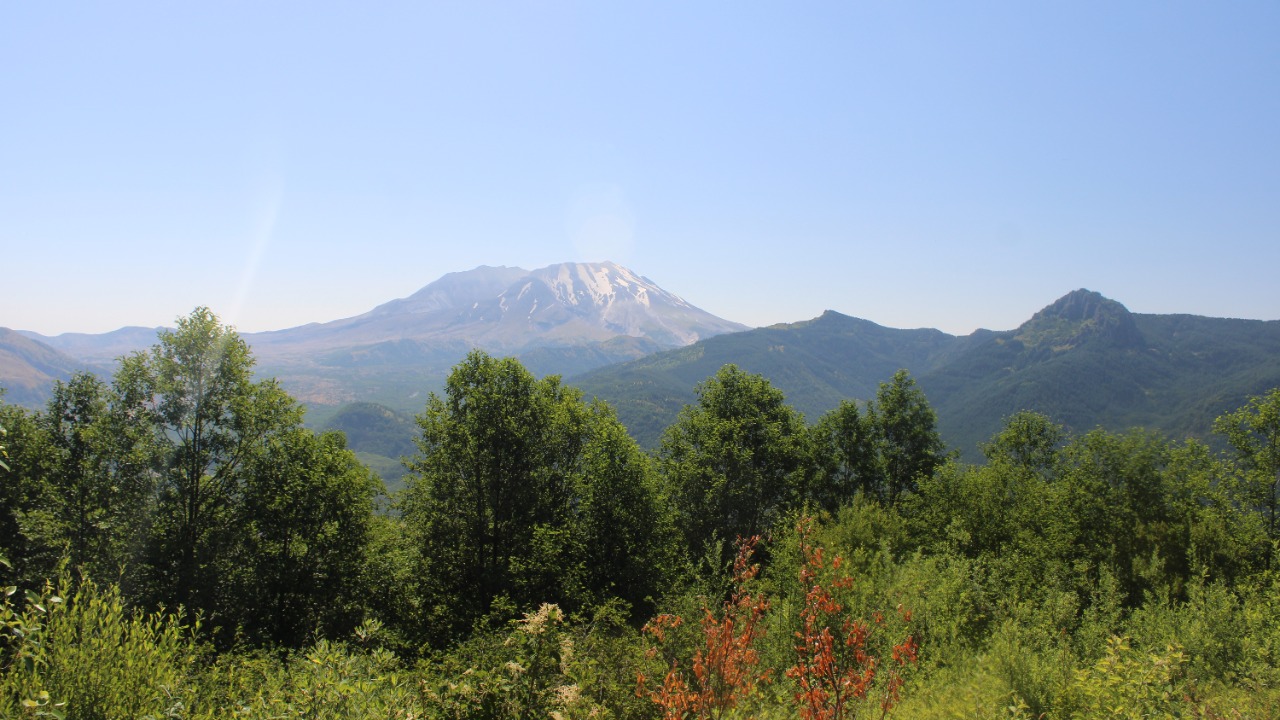
The Forest Service maintains an honest-to-god spot called Huckleberry Access — a paved pullout with a view of Mount St. Helens, built specifically for pickers, with enough room for RVs. It sits off Forest Road 30-580, north of Carson on the Wind River Highway, and there’s no fee to park. It’s not going to win a photo contest against the Sawtooth meadows, but it’s the more honest deal: a spot built for pickers, not the postcard.
It’s not the only legal ground, either — most of Gifford Pinchot National Forest outside its Wildernesses, the Mount St. Helens National Volcanic Monument, and a handful of Research Natural Areas is open to permitted harvest. The Mt. Adams Ranger District in Trout Lake hands out free maps showing exactly where those lines fall, and it’s worth a call before you commit to a patch.
When to actually go
Late July is early — start low, under 3,000 feet, and expect thin pickings. The Forest Service pegs peak season at mid-August through mid-September, and the ripe elevation climbs as summer goes on, so a patch picked clean in August can still be worth a stop in September further up the road.
Bears eat huckleberries too, and berry fields are prime habitat for them all season. Make noise on the way in, keep food secured, and give any bear you spot plenty of room.
A legendary patch you can only taste, and a paved pullout you can actually take home from — which one are you telling your friends about?
Trip tips: grab a rental car to reach Trout Lake or Carson, lock in a hotel nearby, or skip both and book a camper van instead — Huckleberry Access has room to park one.
Rules and fees change — always confirm current requirements before you go.